Hello everyone and welcome to the blog again. Today’s post will cover something quite interesting, which are Big Data and the Internet of things and how these can be used to enhance marketers and consumers experiences.
So, what exactly is big data? Big data describes a very huge amount of unstructured and randomized data that has the potential to be mined for information. Data will be converted to information using a medium and this is where Big Data Analytics come in, which is the process of converting all these data into smart and usable data, to discover market trends, customer preferences and more useful information that can help companies make future business decisions.

Now, let me show you two good examples of how Big Data have been put to good use, bringing value to both customers as well as marketers.

- Spotify
Spotify uses big data to find out what songs each individual usually listens to, and came up with a Discover Weekly feature, that allows each user to listen to similar music that they have not heard of!
- YouTube
YouTube, likewise, shows you recommended videos based on the type of videos that you have previously watched.

Then now, you might ask, where does all these Bid Data come from? It all links to the Internet of Things (IOT). Big Data is PRODUCED from the Internet of Things mainly. Internet of things refers to the connection of everyday products, such as cars, clocks, and lights to computing devices via the Internet.
Here’s a good example of IOT – Automatic Car Tracking Adapter
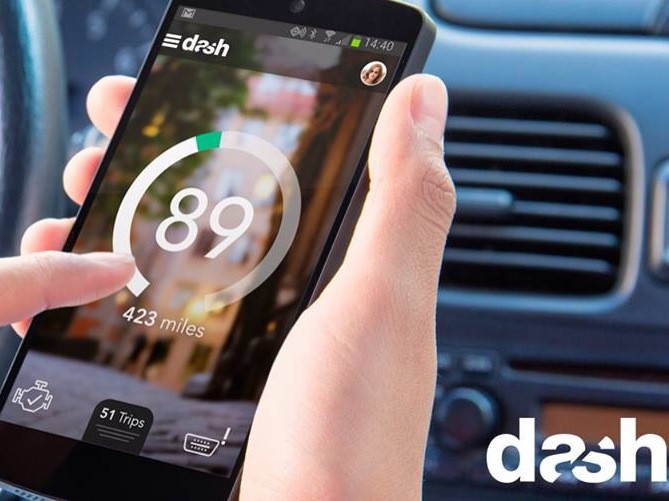
There are applications such as Dash, which helps to track your driving habits, fuel consumption and much more, just by connecting your phone with the car. It will provide users with useful information to enable more efficient driving.
Now that we understand what Big Data and the Internet of Things are, here are pros and cons it can bring to marketers as well as consumers:
New Products
Almost anything that is connected to the Internet can create good customer engagement. Marketers will innovate further with current technology such as smartphones. Nowadays there are such things as touchscreen fridges and cars, and there is room for much more innovation here.
Improved Contextual Marketing
IOT devices generate enormous amounts of data every day. These data are used to understand consumer’s behaviour, patterns, places they go to which provide marketers with predictive capabilities that have previously been unavailable. Marketers now can send out push notifications for example promoting a product near their location, rather than waiting for them to enter the store and then promote it.
However, with great data comes great responsibility. When there is more data being transferred around, the higher the chances of having a data leak, which would greatly compromise businesses as well as consumers security and privacy.
Remember back in 2018 when there was the Facebook Data Breach? 50 million people were affected including Facebook’s own CEO Mark Zuckerberg. Things like these could happen anytime and anywhere so heightened security measures must be taken.

 Ryaneng